Ambient Storage in Saudi Arabia: 2026 Cost Guide
Getting ambient storage in Saudi Arabia right protects your goods, trims overhead, and keeps fulfillment fast in one of the world’s fastest-growing logistics markets. Ambient warehousing suits the vast majority of consumer and industrial products, from packaged food to electronics, because it holds stock at stable room temperature without costly refrigeration. This 2026 guide breaks down how it works, what it costs, and how to choose the right facility.
As the Kingdom expands its ports, highways, and industrial cities, demand for well-run ambient space keeps climbing. Below you will find comparisons, selection criteria, and practical answers for supply chain managers.
What Is Ambient Storage and Who Needs It?
Ambient storage keeps products at natural indoor temperatures, typically without heating or cooling, while still controlling humidity, dust, and pests. It is the workhorse of modern warehousing because most goods do not require a chilled environment.
Businesses of every size rely on Ambient Storage in Saudi Arabia to hold inventory efficiently between production and delivery.
Products That Suit Ambient Conditions
- Canned, dried, and packaged foods
- Beverages and bottled goods
- Household products and cosmetics
- Apparel, textiles, and footwear
- Electronics, tools, and packaged hardware
Ambient vs. Dry vs. Cold Storage
Choosing the correct storage type prevents both waste and overspending. The terms overlap, so it helps to compare them side by side.
| Storage Type | Temperature Control | Typical Goods |
|---|---|---|
| Ambient | Room temperature, humidity-managed | Most retail and industrial stock |
| Dry | Moisture-controlled, no cooling | Grains, paper, packaged goods |
| Chilled | Refrigerated above freezing | Dairy, produce, pharma |
| Frozen | Below freezing | Meat, seafood, ready meals |
Ambient and dry storage often overlap. For humidity-sensitive inventory in the capital, dedicated Dry Storage in Riyadh adds moisture control that protects cardboard, metal, and packaged food from damage.
How Much Does Ambient Storage Cost in 2026?
Costs vary by location, contract length, and services included. Facilities near Riyadh, Jeddah, and Dammam command different rates based on land value and access to ports and highways.
Most providers price per pallet position or per square meter. Value-added services such as pick-and-pack, labeling, and inventory reporting are billed separately or bundled into 3PL packages.
Main Factors That Affect Your Rate
- Total volume and how long you store it
- Location relative to ports and distribution routes
- Handling frequency and fulfillment services
- Security level and insurance coverage
- Seasonal demand and contract flexibility
What Makes a Reliable Ambient Warehouse?
Quality varies widely between facilities. Focus on the features that keep goods safe and orders flowing.
Humidity and Ventilation Control
Even without refrigeration, good airflow and moisture management protect stock in Saudi Arabia’s dry heat and coastal humidity. Insulated roofing and cross-ventilation matter.
Technology and Visibility
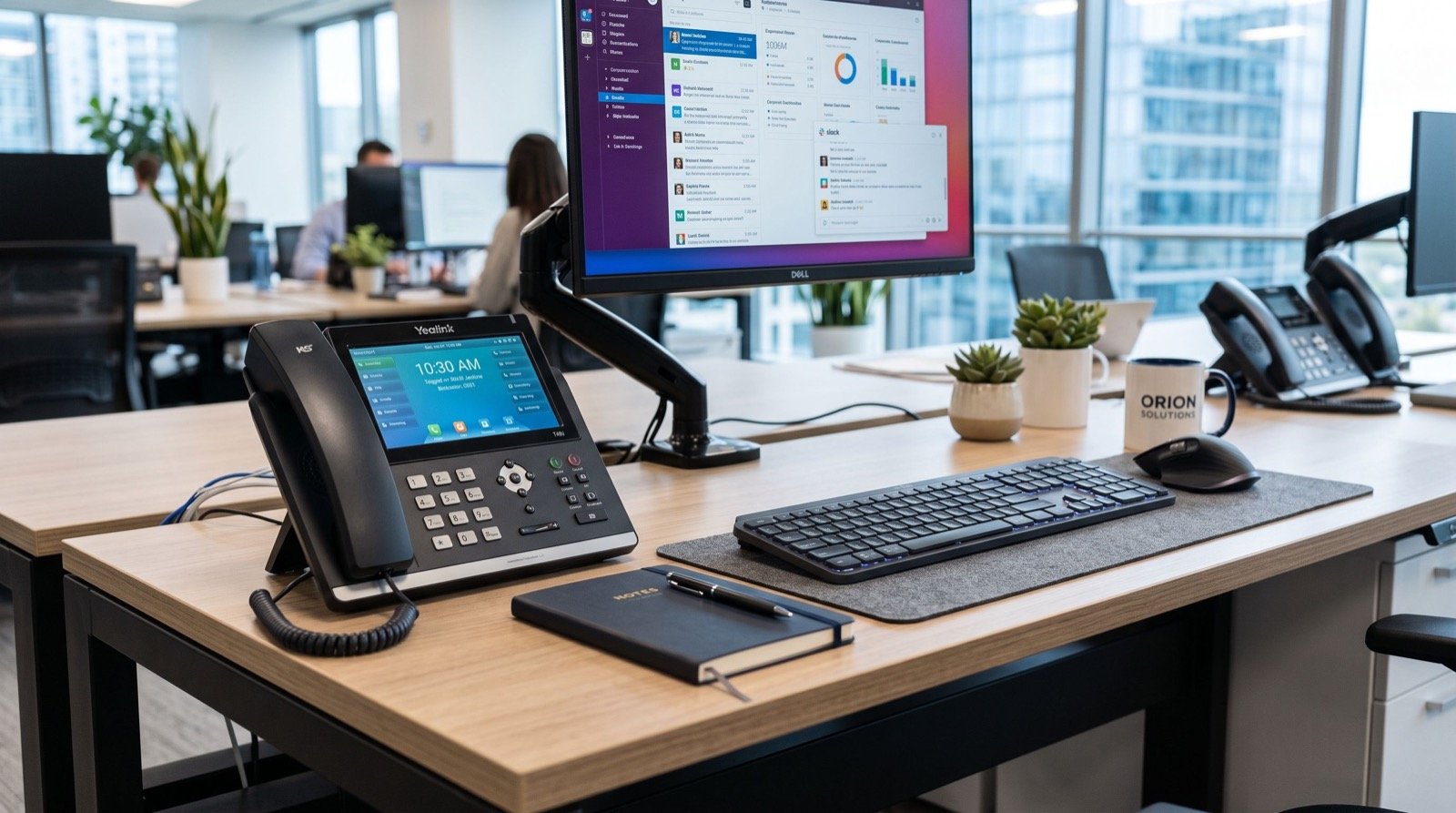
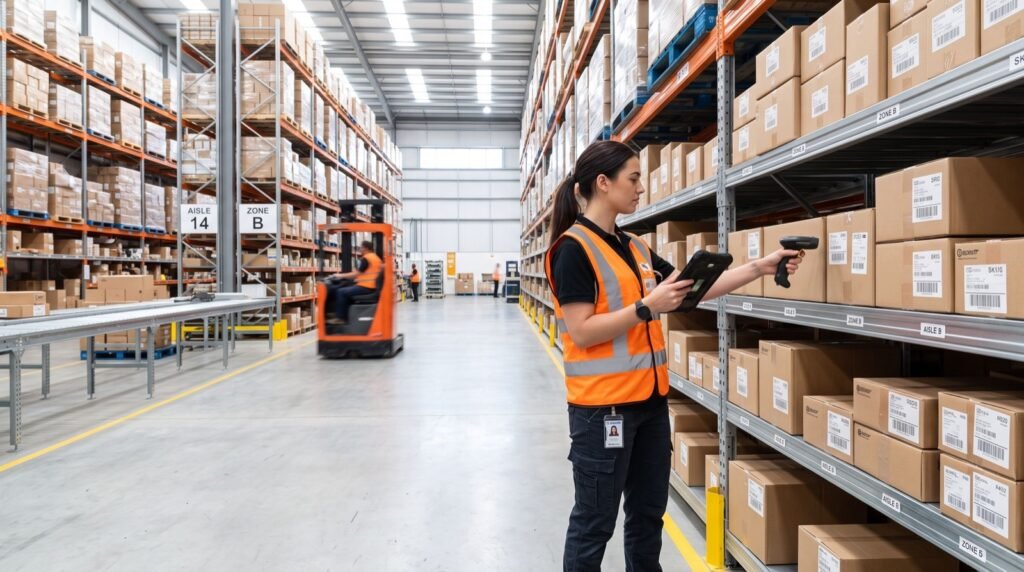
A modern warehouse management system gives real-time stock counts, order status, and reporting. This transparency prevents shortages and speeds decision-making.
Location and Connectivity
Proximity to major highways and ports shortens transit time and lowers last-mile costs across the Kingdom.
To evaluate facilities objectively, consult reputable service experts who can benchmark a warehouse against your operational needs.
Why Warehousing Is Booming Across the Kingdom
Saudi Arabia is positioning itself as a global logistics gateway between three continents. National investment in ports, rail, and industrial cities is driving strong growth in storage demand. You can review the sector’s direction through the Ministry of Transport and Logistic Services.
This expansion means quality ambient space fills quickly, especially ahead of peak seasons. Securing capacity early in 2026 protects your fulfillment timelines and locks in stable rates.
Expert Tips for Managing Ambient Inventory
From real warehousing experience, these practices boost efficiency and cut losses:
- Rotate stock using first-in, first-out to avoid aging inventory.
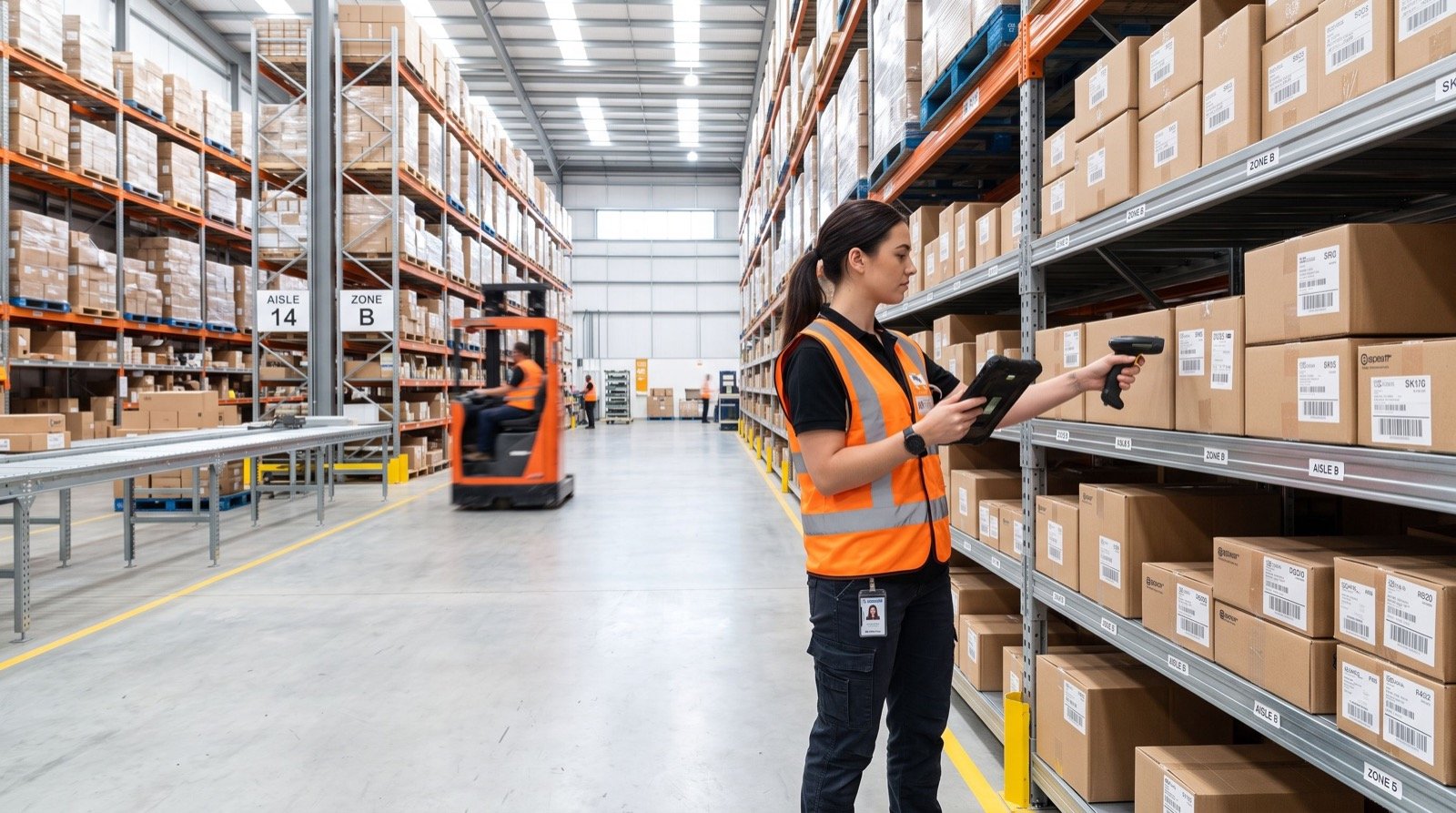
- Keep aisles clear for forklift access to speed picking.
- Monitor humidity even in ambient zones during summer peaks.
- Separate food-grade goods from chemicals and cleaning supplies.
- Reconcile physical counts with your system through cycle counting.
One practical insight: store your top-selling SKUs at waist height near dispatch. This ergonomic tweak reduces picking time and worker fatigue noticeably.
Choosing Between In-House and 3PL Ambient Storage
One of the biggest decisions in warehousing is whether to run your own space or outsource to a third-party logistics provider. Each path suits different business stages.
Running an in-house warehouse gives full control but ties up capital in leases, staff, and equipment. Outsourcing to a 3PL converts those fixed costs into flexible fees and hands the operational burden to specialists.
When Outsourcing Makes Sense
- Your inventory volume swings sharply between seasons
- You are entering new Saudi cities without local infrastructure
- You want to focus capital on products rather than buildings
- You need advanced technology without buying it outright
- Order volumes are growing faster than your team can handle
Many growing brands start with shared 3PL space and only build dedicated warehouses once volumes justify the investment.
How Ambient Storage Supports E-Commerce Growth
Online retail is booming across Saudi Arabia, and fast fulfillment now defines the customer experience. Ambient storage sits at the heart of that promise.
Locating inventory near major cities shortens delivery windows and reduces shipping costs. Integrated pick-and-pack services let online sellers dispatch orders the same day they arrive.
A practical tip for e-commerce operators: hold your best-selling items in ambient storage closest to your largest customer base. This positioning cuts delivery times where it matters most and lifts repeat-purchase rates.
Frequently Asked Questions
What is the difference between ambient and dry storage?
Ambient storage holds goods at room temperature with humidity management, while dry storage emphasizes strict moisture control. Both suit non-perishables, and many facilities combine the two features.
Is ambient storage suitable for food products?
Yes, packaged and shelf-stable foods store safely in a certified ambient warehouse with ventilation and pest control. Perishable food, however, requires chilled or frozen facilities.
How is ambient storage priced in Saudi Arabia?
Providers usually charge per pallet position or per square meter, plus optional handling and reporting fees. Longer contracts and larger volumes typically lower the per-unit rate.
Can I scale ambient storage up or down seasonally?
Many Saudi 3PL providers offer flexible, usage-based space that expands during peaks and contracts afterward, which helps businesses avoid paying for unused capacity.
Conclusion
Choosing the right ambient storage in Saudi Arabia protects your inventory, controls costs, and keeps fulfillment fast as the Kingdom’s logistics sector surges through 2026. Compare storage types, prioritize humidity control and visibility, and book capacity early to stay ahead of demand. Ready to optimize your warehousing? Partner with an experienced Saudi storage team and give your goods a dependable home today.